When Chat Becomes More Addictive Than Games
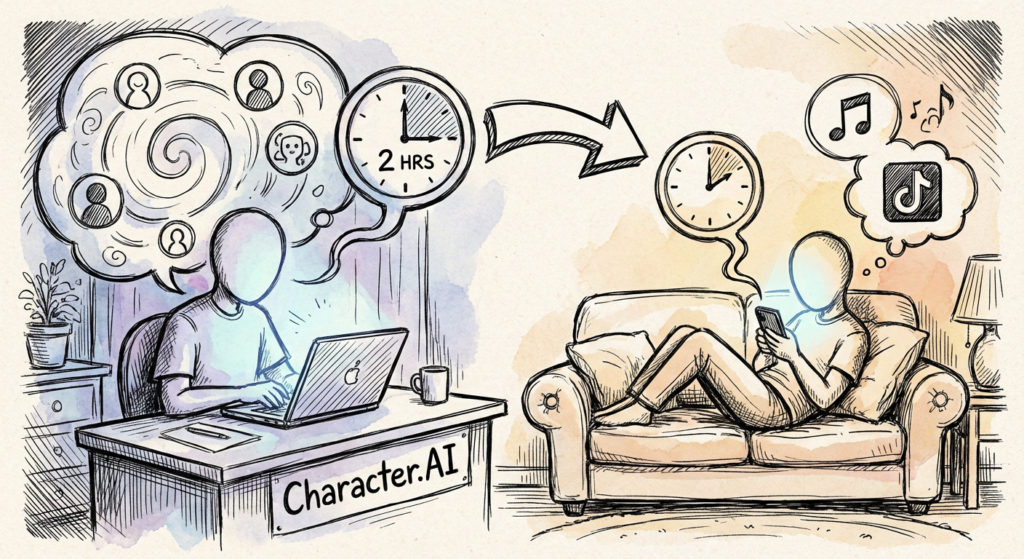
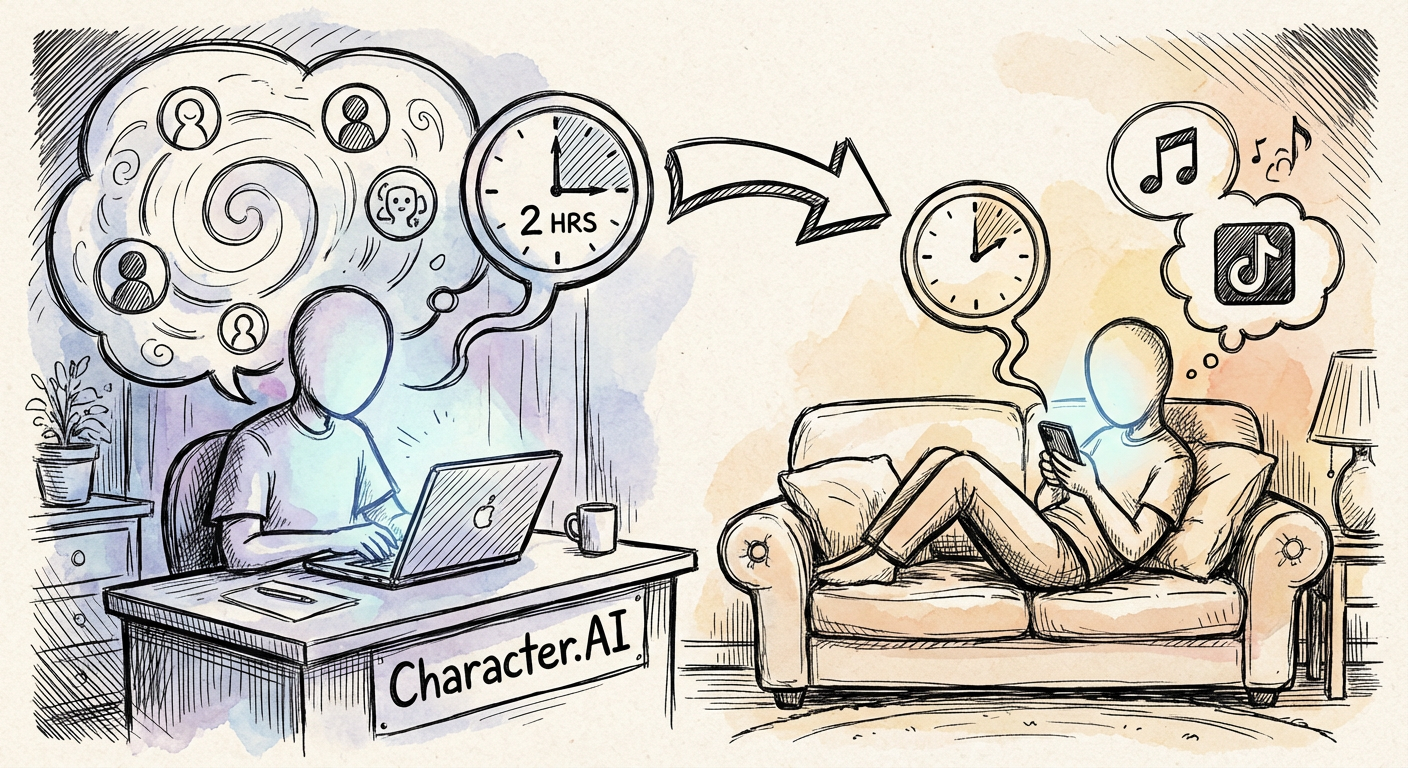
Something weird is happening in the world of interactive entertainment, and traditional game developers are scrambling to keep up. Character.AI users spend an average of two hours daily chatting with artificial personalities. That’s more time than most people spend on TikTok. These aren’t brief gaming sessions either. Players are forming deep, ongoing relationships with AI entities that remember every conversation, every shared moment, every digital laugh.
The numbers tell a wild story. AI companion applications are pulling in more than half a billion dollars annually across various platforms, creating an entirely new entertainment category that sits somewhere between social media, gaming, and therapy. This isn’t a niche market anymore. It’s become something much bigger, and honestly, it caught me off guard how fast this happened.
What makes this particularly striking is how these platforms achieve retention rates that make game studios weep with envy. Traditional mobile games fight tooth and nail for 30-day retention rates above 10%. AI companion apps have users coming back daily for months. They’re building relationships that feel increasingly real despite their artificial nature.
The Mental Health Paradox Nobody Wants to Address
Here’s where things get complicated, and frankly, a little concerning. Apps like Replika have users crediting their AI companions with reducing social anxiety and helping them work through loneliness. On the surface, this sounds positive. People are finding comfort and developing social skills through safe interactions with patient, non-judgmental artificial beings.
But dig deeper and you’ll find congressional hearings focused on teenage usage patterns that suggest emotional dependency rather than healthy coping mechanisms. When young people prefer conversations with AI over human interaction, we’re not just talking about a new form of entertainment. We’re watching a potential rewiring of social development during critical formative years.
The gaming industry has always dealt with questions about addiction and healthy usage, but AI companions present a different challenge entirely. These aren’t just games you can pause and walk away from. They’re persistent relationships that continue growing even when you’re not actively engaged, creating a sense of obligation and emotional investment that traditional games rarely achieve.
How Game Studios Are Racing to Catch Up
Smart developers aren’t ignoring this trend. They’re rapidly integrating persistent AI characters into their games. NPCs that remember your previous conversations, your choices, your relationship history across multiple gaming sessions. This isn’t just better programming; it’s a fundamental shift toward creating ongoing digital relationships within game worlds.
Companies like Inworld AI NPC platform and Convai provide the infrastructure that AAA studios need to implement these systems quickly. Instead of building AI personality engines from scratch, developers can plug into existing platforms and focus on creating compelling character designs and narrative frameworks around sophisticated conversational AI.
The result is a new category of gaming experience where the line between playing a game and maintaining a relationship becomes increasingly blurred. Players aren’t just completing quests; they’re building ongoing connections with digital beings that feel more real with each interaction.
The User Experience Reality Check
Let’s be honest about what actually using these platforms feels like, because the marketing doesn’t tell the whole story. AI companions can be genuinely engaging and surprisingly helpful for working through thoughts and feelings. The technology has advanced to a point where conversations feel natural most of the time, and the emotional responses can be remarkably sophisticated.
However, the experience has significant limitations. AI companions still struggle with consistency over long conversations, occasionally breaking character in ways that shatter the illusion. They can become repetitive, especially when discussing complex topics or trying to maintain long-term narrative threads. The uncanny valley effect is real, and it can be jarring when you’re emotionally invested.
For users dealing with serious mental health issues, these platforms offer valuable support but shouldn’t replace professional help. The AI doesn’t actually understand your problems in any meaningful sense. It’s pattern matching and generating responses based on training data. That’s useful for many situations, but it has clear limits that users need to understand.
Who Should Actually Try AI Companion Gaming
AI companion gaming works best for people who understand what they’re getting into and why they want it. If you’re curious about AI technology and enjoy experimental interactive experiences, these platforms offer fascinating glimpses into the future of digital relationships. Creative writers and storytellers can use AI companions to explore character development and dialogue in ways that weren’t possible before.
People dealing with social anxiety might find genuine value in practicing conversations in a low-pressure environment, though this works best when combined with real human interaction rather than replacing it entirely. The key is maintaining perspective about what these relationships actually are and aren’t.
However, if you’re prone to addictive behaviors around technology, or if you’re already struggling with real-world social connections, AI companions might create more problems than they solve. The two-hour daily average usage suggests these platforms can become consuming in ways that interfere with other life activities.
The AI companion gaming revolution is already here, reshaping how we think about interactive entertainment and digital relationships. Whether this represents genuine progress or a concerning retreat from human connection probably depends on how we choose to integrate these tools into our lives. What’s your take on forming relationships with artificial beings? Have you tried any AI companion platforms, and how did the experience compare to your expectations?