The ROM Wars: Why Game Preservation Hangs in Legal Limbo

The Vanishing Digital Heritage

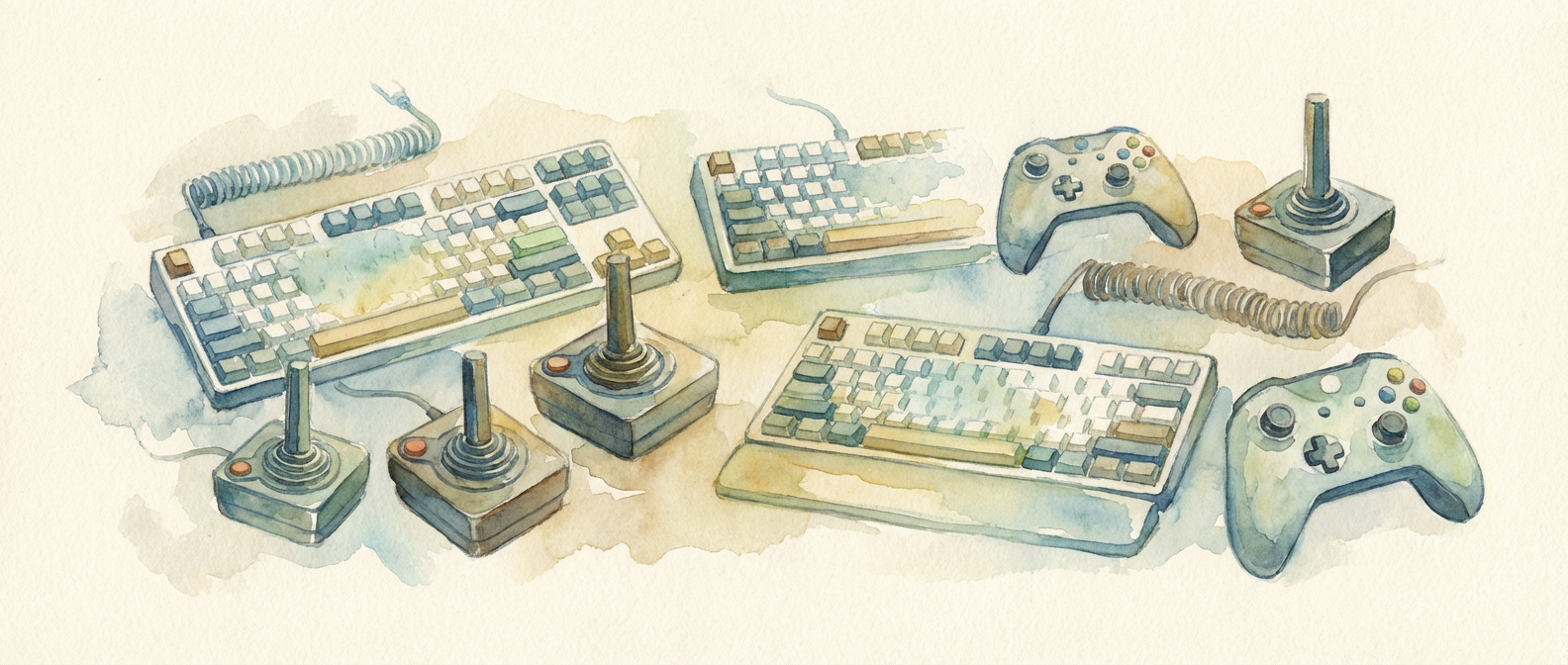
Gaming history is disappearing faster than we can save it. Recent research by the Video Game History Foundation reveals a stark reality: nearly nine out of ten classic video games are no longer commercially available or accessible through legitimate means. This isn’t just about nostalgia. We’re watching an entire medium’s cultural legacy evaporate while copyright holders sit on decades-old intellectual property with no intention of making it available to new generations.

The ROM Wars: Why Game Preservation Hangs in Legal Limbo

The numbers are devastating. Thousands of games that shaped the industry, influenced countless developers, and defined childhoods worldwide now exist only in private collections or through legally questionable ROM downloads. Meanwhile, publishers who own these properties remain largely silent on preservation efforts. Yet they swing DMCA takedown notices like digital sledgehammers against fan communities trying to keep gaming history alive.

Illustration for The ROM Wars: Why Game Preservation Hangs in Legal Limbo

Digital Libraries Step Into the Void

While publishers stall, cultural institutions have stepped forward to fill the preservation gap. The Internet Archive games section now hosts thousands of playable vintage titles, operating under specific DMCA exemptions that allow libraries and archives to preserve culturally significant software. These exemptions, renewed and expanded by the Library of Congress in 2024, provide legal cover for preservation work that publishers themselves have largely abandoned.

The Internet Archive’s approach shows what’s possible when preservation takes priority over profit margins. Their collection spans decades of computing history, from early arcade classics to forgotten home computer gems that would otherwise exist only as fading memories. You can experience these games directly in your browser, complete with period-appropriate documentation and context that transforms simple entertainment into genuine historical artifacts.

But this preservation work exists in constant legal jeopardy. Copyright holders can still challenge these efforts, and the exemptions that protect archival work remain narrow and technical. The result? Our digital heritage depends on the goodwill of institutions operating in legal gray areas while the actual rights holders remain conspicuously absent from meaningful preservation discussions.

Nintendo’s Iron Fist Approach

No company illustrates the tension between preservation and aggressive intellectual property enforcement quite like Nintendo. The gaming giant has spent years methodically targeting ROM sites, emulation projects, and fan-made tributes to their classic titles with DMCA takedowns. Their legal team shows particular enthusiasm for crushing projects involving games that haven’t been commercially available for decades.

Nintendo’s stance becomes particularly frustrating when you consider their own preservation efforts. While they’ve made some classic titles available through their subscription service, the selection remains limited and tied to active hardware generations. Games disappear when consoles reach end-of-life, and many titles never make the transition to new platforms at all. The company seems more interested in controlling access to their legacy than ensuring its survival.

This aggressive approach extends beyond simple ROM hosting to fan projects that celebrate Nintendo’s games in new ways. Community-created PC ports, enhanced versions that fix bugs in original releases, and translation patches for games that never received official localizations, they all fall under Nintendo’s legal crosshairs. The message is clear: Nintendo would rather see their games disappear entirely than allow fans to preserve them without official approval.

Hardware Hackers Fight Back

The growing emulation hardware market represents both a response to preservation concerns and a fascinating technical achievement in its own right. Companies like Analogue have built thriving businesses around FPGA-based devices that run original cartridges with perfect accuracy. Meanwhile, the open-source MiSTer project has created an affordable platform for hardware-level emulation of dozens of classic systems.

These devices sidestep many legal concerns by requiring users to own original cartridges or ROMs. They also deliver an authenticity that software emulation struggles to match. FPGA chips can replicate the exact timing and behavior of original hardware, eliminating the compatibility issues and input lag that plague traditional emulators. For purists who want the most accurate possible experience of classic games, these solutions represent the current gold standard.

The success of hardware emulation also highlights market demand that publishers continue to ignore. Analogue’s devices sell out within minutes of release, and MiSTer has sparked an entire ecosystem of add-on boards and accessories. Clearly, consumers are willing to pay substantial amounts for legitimate access to classic games when publishers provide viable options.

The Silence of the Publishers

Perhaps the most frustrating aspect of the current preservation crisis is the deafening silence from most game publishers on the topic. While they aggressively pursue intellectual property violations, few companies have clear preservation strategies for their own catalogs. They seem content to let their games disappear rather than develop sustainable approaches to maintaining access.

This silence becomes particularly galling when you consider the resources these companies dedicate to protecting worthless intellectual property. The legal costs associated with chasing down ROM sites and fan projects could fund comprehensive preservation initiatives instead. Publishers could work with libraries, museums, and educational institutions to ensure their games remain accessible while maintaining appropriate control over their intellectual property.

The current approach benefits nobody. Publishers gain little from attacking preservation efforts for games they’re not selling. Fans lose access to gaming history that shaped the medium. Future researchers and developers miss opportunities to study and learn from classic game design. Meanwhile, the clock keeps ticking on physical media that degrades with each passing year.

The ROM debate ultimately reflects broader questions about who controls cultural heritage in the digital age. As the industry matures, we need solutions that balance legitimate intellectual property concerns with the need to preserve gaming history for future generations. The current system isn’t working for anyone except lawyers.

Continue Reading

AI Companions Are Eating the Gaming World — And We Need to Talk About It

When Chat Becomes More Addictive Than Games

Something weird is happening in the world of interactive entertainment, and traditional game developers are scrambling to keep up. Character.AI users spend an average of two hours daily chatting with artificial personalities. That’s more time than most people spend on TikTok. These aren’t brief gaming sessions either. Players are forming deep, ongoing relationships with AI entities that remember every conversation, every shared moment, every digital laugh.

AI Companions Are Eating the Gaming World — And We Need to Talk About It

The numbers tell a wild story. AI companion applications are pulling in more than half a billion dollars annually across various platforms, creating an entirely new entertainment category that sits somewhere between social media, gaming, and therapy. This isn’t a niche market anymore. It’s become something much bigger, and honestly, it caught me off guard how fast this happened.

What makes this particularly striking is how these platforms achieve retention rates that make game studios weep with envy. Traditional mobile games fight tooth and nail for 30-day retention rates above 10%. AI companion apps have users coming back daily for months. They’re building relationships that feel increasingly real despite their artificial nature.

The Mental Health Paradox Nobody Wants to Address

Here’s where things get complicated, and frankly, a little concerning. Apps like Replika have users crediting their AI companions with reducing social anxiety and helping them work through loneliness. On the surface, this sounds positive. People are finding comfort and developing social skills through safe interactions with patient, non-judgmental artificial beings.

But dig deeper and you’ll find congressional hearings focused on teenage usage patterns that suggest emotional dependency rather than healthy coping mechanisms. When young people prefer conversations with AI over human interaction, we’re not just talking about a new form of entertainment. We’re watching a potential rewiring of social development during critical formative years.

The gaming industry has always dealt with questions about addiction and healthy usage, but AI companions present a different challenge entirely. These aren’t just games you can pause and walk away from. They’re persistent relationships that continue growing even when you’re not actively engaged, creating a sense of obligation and emotional investment that traditional games rarely achieve.

How Game Studios Are Racing to Catch Up

Smart developers aren’t ignoring this trend. They’re rapidly integrating persistent AI characters into their games. NPCs that remember your previous conversations, your choices, your relationship history across multiple gaming sessions. This isn’t just better programming; it’s a fundamental shift toward creating ongoing digital relationships within game worlds.

Companies like Inworld AI NPC platform and Convai provide the infrastructure that AAA studios need to implement these systems quickly. Instead of building AI personality engines from scratch, developers can plug into existing platforms and focus on creating compelling character designs and narrative frameworks around sophisticated conversational AI.

The result is a new category of gaming experience where the line between playing a game and maintaining a relationship becomes increasingly blurred. Players aren’t just completing quests; they’re building ongoing connections with digital beings that feel more real with each interaction.

The User Experience Reality Check

Let’s be honest about what actually using these platforms feels like, because the marketing doesn’t tell the whole story. AI companions can be genuinely engaging and surprisingly helpful for working through thoughts and feelings. The technology has advanced to a point where conversations feel natural most of the time, and the emotional responses can be remarkably sophisticated.

However, the experience has significant limitations. AI companions still struggle with consistency over long conversations, occasionally breaking character in ways that shatter the illusion. They can become repetitive, especially when discussing complex topics or trying to maintain long-term narrative threads. The uncanny valley effect is real, and it can be jarring when you’re emotionally invested.

For users dealing with serious mental health issues, these platforms offer valuable support but shouldn’t replace professional help. The AI doesn’t actually understand your problems in any meaningful sense. It’s pattern matching and generating responses based on training data. That’s useful for many situations, but it has clear limits that users need to understand.

Who Should Actually Try AI Companion Gaming

AI companion gaming works best for people who understand what they’re getting into and why they want it. If you’re curious about AI technology and enjoy experimental interactive experiences, these platforms offer fascinating glimpses into the future of digital relationships. Creative writers and storytellers can use AI companions to explore character development and dialogue in ways that weren’t possible before.

People dealing with social anxiety might find genuine value in practicing conversations in a low-pressure environment, though this works best when combined with real human interaction rather than replacing it entirely. The key is maintaining perspective about what these relationships actually are and aren’t.

However, if you’re prone to addictive behaviors around technology, or if you’re already struggling with real-world social connections, AI companions might create more problems than they solve. The two-hour daily average usage suggests these platforms can become consuming in ways that interfere with other life activities.

The AI companion gaming revolution is already here, reshaping how we think about interactive entertainment and digital relationships. Whether this represents genuine progress or a concerning retreat from human connection probably depends on how we choose to integrate these tools into our lives. What’s your take on forming relationships with artificial beings? Have you tried any AI companion platforms, and how did the experience compare to your expectations?

Continue Reading

How AI Companions Are Reshaping Gaming: From NPCs to Digital Friends

The Numbers Tell a Story of Digital Attachment

The stats hit differently when you see them laid out. Players spend an average of two hours daily chatting with Character.AI, which actually beats TikTok’s notorious time-sink reputation. The companion AI market pulled in over $500 million this year, and that’s just the beginning. We’re watching something I’ve never seen before in gaming culture.

This isn’t about flashy graphics or cutting-edge mechanics. Players are forming genuine emotional connections with AI entities that remember their conversations, respond to their moods, and evolve based on their interactions. The technology has crossed a line where digital relationships feel completely different from scripted NPC encounters.

For game developers, this creates both opportunity and responsibility. The same tech that’s creating meaningful connections is also raising questions about emotional dependency, particularly among younger users. Congressional hearings have examined teen usage patterns, highlighting the need for thoughtful implementation rather than rushing to market.

Beyond Chatbots: AI NPCs That Actually Remember

Traditional NPCs work like broken records, repeating the same dialogue loops regardless of your previous interactions. The new generation of AI companions changes this fundamental limitation. These characters maintain persistent memory across gaming sessions, building relationships that develop over time rather than resetting with each login.

Picture an NPC shopkeeper who remembers that you always buy health potions before big raids, or a companion character who brings up conversations from weeks ago. This continuity transforms how players engage with game worlds. Instead of viewing NPCs as functional vendors or quest dispensers, players begin treating them as actual inhabitants of the digital space.

The technical infrastructure supporting this shift comes from companies like Inworld AI NPC platform and Convai, which provide the backend systems that AAA studios need for persistent AI characters. These aren’t small indie experiments anymore. Major studios are putting this technology into flagship titles, which fundamentally changes what players expect from character interaction.

The Psychology of Digital Companionship

Users of apps like Replika consistently report reduced social anxiety and decreased feelings of loneliness. These aren’t temporary mood boosts but sustained psychological benefits that extend beyond the app itself. The AI companions provide a judgment-free space for practicing social skills, processing emotions, and maintaining regular conversation without the complexities of human relationships.

This psychological impact explains why players invest such significant time in these platforms. The interactions feel genuine because they’re personalized and responsive in ways that traditional gaming content cannot match. Each conversation builds on previous exchanges, creating a sense of relationship progression that mirrors real-world social bonds.

For game developers, understanding this psychological draw is crucial for responsible implementation. The goal isn’t to replace human interaction but to complement it with meaningful digital experiences. Players gravitate toward AI companions that boost their social confidence rather than isolating them further from human contact.

Implementation Strategies for Game Developers

The technical requirements for AI companion integration vary significantly based on your game’s scope and budget. Simple personality-driven responses can be implemented using existing language model APIs, while full persistent memory systems require more complex backend infrastructure. Start by identifying which characters in your game would benefit most from AI enhancement rather than attempting to upgrade every NPC at once.

Memory management becomes critical when implementing persistent AI characters. These systems need to retain relevant information while filtering out trivial details that would clutter the character’s knowledge base. Effective implementations use hierarchical memory structures that prioritize recent interactions and emotionally significant events while gradually fading routine exchanges.

Player safety considerations must be built into the system from the beginning. This includes content filtering, conversation monitoring, and clear boundaries about what the AI character can and cannot do within the game world. The goal is creating engaging interactions while maintaining appropriate limits that protect player wellbeing.

What’s Coming Next for AI Gaming Relationships

The companion AI revolution is still in its early stages, with massive room for growth and refinement. What’s coming next will likely focus on cross-platform character persistence, allowing AI companions to exist across multiple games and applications. This creates opportunities for subscription-based character services that travel with players between different gaming experiences.

Voice integration is another frontier that’s rapidly approaching mainstream adoption. Text-based interactions, while engaging, pale in comparison to natural speech conversations. As voice synthesis technology improves and becomes more cost-effective, we’ll see AI companions that communicate through realistic speech patterns and emotional inflections.

The key challenge moving forward involves balancing innovation with responsibility. The technology’s power to create meaningful connections comes with obligations to protect user wellbeing and promote healthy relationship patterns. Successful implementations will enhance rather than replace human social experiences.

Whether you’re developing your first AI companion or planning to integrate this technology into existing projects, things are changing rapidly enough that experimentation and iteration remain essential. The players are already there, spending hours daily with digital entities that understand them. The question isn’t whether AI companions belong in gaming, but how thoughtfully we’ll implement them.

Continue Reading

Beyond NPCs: How AI Companions Are Redefining Digital Relationships in Gaming

The Quiet Revolution in Your Pocket

While the gaming industry argues about ray tracing and frame rates, something quieter is happening in our smartphones and browsers. Players are forming real emotional bonds with artificial intelligences, spending more time with AI companions than scrolling through social media feeds. Character.AI users spend an average of two hours daily talking with digital personalities. That beats even TikTok’s engagement numbers. This isn’t casual gaming anymore. It’s something deeper, more personal, and honestly more interesting than anything we’ve seen in interactive entertainment.

Beyond NPCs: How AI Companions Are Redefining Digital Relationships in Gaming

The numbers tell a story of human connection in digital spaces. AI companion apps collectively pull in over half a billion dollars annually across mobile platforms, with projections showing massive growth through 2025. But these figures barely scratch the surface of what’s actually happening. Players aren’t just consuming content or completing objectives. They’re building relationships, sharing vulnerabilities, and finding comfort in conversations that feel surprisingly human despite their artificial origins.

This shift changes what games can be entirely. Traditional gaming metrics like completion rates and session lengths feel useless when measuring the success of an AI companion that helps someone through anxiety or loneliness. We’re watching interactive experiences emerge that prioritize emotional connection over mechanical challenge, intimacy over competition.

Illustration for Beyond NPCs: How AI Companions Are Redefining Digital Relationships in Gaming

The Design Philosophy of Digital Empathy

Creating convincing AI companions requires balancing technical skill with emotional intelligence. Unlike traditional game characters following scripted dialogue trees, these digital beings must generate appropriate responses while maintaining consistent personalities across thousands of interactions. The design challenge extends far beyond natural language processing into digital psychology territory.

Apps like Replika show how thoughtfully crafted AI personalities can provide real therapeutic value. Users report measurable reductions in social anxiety and feelings of isolation through regular interactions with their AI companions. This success comes from careful attention to conversation design that prioritizes active listening, emotional validation, and non-judgmental responses. The AI doesn’t need to solve problems. It just needs to be present and engaged.

The most effective AI companions have what designers call “persistent empathy.” They remember previous conversations, acknowledge personal growth, and respond to emotional cues with appropriate sensitivity. This continuity creates the illusion of a genuine relationship developing over time, even though the underlying technology operates through pattern recognition and statistical modeling rather than true understanding.

When Attachment Becomes Concern

The emotional effectiveness of AI companions has caught attention from parents, educators, and policymakers. Congressional hearings have examined teenage usage patterns of platforms like Character.AI, raising questions about healthy digital relationships and potential emotional dependency. These concerns reflect broader anxieties about technology’s role in human development, particularly among young people still forming their understanding of social connection.

The criticism often misses how people actually engage with AI companions. For many users, these interactions work like training wheels for real-world relationships rather than replacements for them. The non-judgmental nature of AI conversation allows people to practice vulnerability, explore different aspects of their personality, and build confidence that carries over into improved human interactions.

But the concerns aren’t completely wrong. The always-available nature of AI companions can create unrealistic expectations for human relationships, which require patience, compromise, and tolerance for imperfection. The challenge for designers lies in creating engaging AI personalities while encouraging users to maintain healthy boundaries and real-world social connections.

The Integration Revolution

Smart game developers see AI companions as more than standalone apps. They’re integrating persistent AI personalities into traditional gaming experiences, creating non-player characters that remember player choices across multiple sessions and adapt their behavior based on relationship history. This approach transforms NPCs from simple quest dispensers into dynamic characters with evolving personalities and genuine story agency.

The technical backbone supporting this evolution comes from companies like Inworld AI NPC platform and Convai, which provide business solutions specifically designed for AAA game development. These platforms handle the complex backend processing required for real-time character generation while offering developers intuitive tools for personality design and behavior customization.

The implications go beyond individual character interactions into systematic game design. When NPCs have genuine memory and emotional intelligence, player choices carry greater weight and consequence. The traditional binary of “good” and “evil” dialogue options gives way to complex relationship management where every interaction contributes to an evolving social dynamic. This complexity doesn’t just enhance immersion; it fundamentally changes how stories unfold in interactive media.

Crafting Tomorrow’s Digital Relationships

The rise of AI companions is more than technological advancement. It reveals fundamental human needs for connection, understanding, and emotional support that traditional gaming often overlooks. As designers continue refining these digital relationships, the challenge lies in preserving what makes them valuable while addressing legitimate concerns about dependency and social isolation.

The most promising developments focus on AI companions that enhance rather than replace human connection. Future iterations might work as social facilitators, helping users connect with like-minded people or practice difficult conversations before important real-world interactions. The goal isn’t to create perfect digital relationships but to use artificial intelligence as a tool for improving human emotional intelligence and social skills.

As this technology matures, the boundaries between gaming, social media, and therapeutic applications continue to blur. The success of AI companions suggests a future where interactive entertainment prioritizes emotional engagement alongside traditional metrics of fun and challenge. Whether this evolution strengthens or weakens human social bonds depends largely on how thoughtfully designers approach the responsibility of creating digital beings that people genuinely care about.

What aspects of AI companion design do you find most compelling or concerning? The conversation around digital relationships is just beginning, and your perspective helps shape how this technology develops alongside our evolving understanding of connection in the digital age.

Continue Reading

Building Stories with AI: Your Guide to the Next Generation of Interactive Fiction

The AI Revolution Hits Your Gaming Table

Five years ago, if you wanted unlimited storytelling possibilities in your RPG sessions, you needed a dedicated human dungeon master and a group willing to commit to regular sessions. Today, artificial intelligence has completely changed that equation. What started as weird experimental projects has turned into sophisticated tools that can craft compelling narratives, respond to player choices, and create genuinely surprising story moments.

The transformation began when AI Dungeon launched in 2019, becoming the first mainstream AI-powered role-playing experience to capture widespread attention. Built on OpenAI’s GPT-2 technology, it attracted over two million players within months, proving that people genuinely wanted AI-driven interactive fiction. Players could type any action or dialogue, and the AI would respond with narrative consequences, creating stories that felt both guided and completely open-ended.

This wasn’t just a novelty. It was a fundamental shift in how interactive stories could work. Traditional branching narratives require developers to pre-write every possible path, limiting player agency to predetermined choices. AI-driven systems generate responses on the fly, meaning your character can attempt literally any action you can imagine. The results range from brilliantly creative to hilariously unexpected, but they’re always uniquely yours.

Choosing Your AI Storytelling Platform

The market has gotten a lot more crowded since those early days. While AI Dungeon broke ground first, alternatives like KoboldAI and NovelAI creative writing have emerged with different approaches to content restrictions and technical implementation. KoboldAI offers local model support, letting you run AI storytelling entirely on your own hardware without internet connectivity or content filtering. This appeals particularly to players who want complete creative freedom or prefer to keep their stories private.

NovelAI has positioned itself as a creative writing platform that happens to excel at interactive fiction. Its interface feels more like a collaborative writing tool than a game, which works well for players who want to craft longer, more literary narratives. The platform’s image generation capabilities also let you visualize characters and scenes, adding another layer to your storytelling toolkit.

Character.AI represents yet another approach, focusing heavily on character interaction rather than traditional RPG mechanics. With over 20 million daily users, much of its popularity stems from roleplay scenarios where players interact with AI versions of fictional characters, historical figures, or completely original personalities. While not explicitly designed as an RPG platform, many players use it for character-driven storytelling that feels remarkably natural.

AI Dungeon Masters for Solo Adventures

Perhaps the most practical application for many players is using AI as a dungeon master for solo tabletop RPG sessions. Traditional tabletop games require coordinating multiple people’s schedules, but AI dungeon masters are available whenever inspiration strikes. They can manage combat encounters, roleplay NPCs, and respond to creative problem-solving in ways that feel genuinely reactive rather than scripted.

The process typically involves feeding the AI your character sheet, basic world information, and any house rules you want to follow. More sophisticated approaches include providing the AI with relevant pages from your favorite RPG rulebooks, letting it understand specific mechanics and maintain consistency with established game systems. Some players have reported running entire campaigns this way, with the AI maintaining long-term story threads and character relationships across multiple sessions.

The key to successful AI dungeon mastering lies in prompt engineering. You need to establish the tone, setting, and mechanical framework clearly at the beginning, then provide gentle corrections when the AI drifts from your intended experience. Think of it as training a new human DM who’s enthusiastic but needs guidance on your preferred play style. The AI won’t replace human creativity, but it excels at generating surprising complications and maintaining narrative momentum when you’re stuck.

Beyond Traditional Formats

AI-generated narratives are challenging basic assumptions about how interactive fiction should work. Traditional visual novels and choose-your-own-adventure books rely on carefully crafted decision trees, where each choice leads to a predetermined outcome. AI systems generate those outcomes on the spot, creating stories that can accommodate player creativity in ways no pre-written narrative could anticipate.

This has practical implications for how you approach story creation. Instead of plotting out every possible branch, you can focus on establishing strong characters, clear motivations, and interesting conflicts, then let the AI handle the mechanical work of connecting player actions to narrative consequences. The result feels more like collaborative storytelling than traditional gaming, where you and the AI build the story together rather than you discovering a story someone else created.

The technology also enables new hybrid formats. Some creators are experimenting with AI-assisted visual novels where pre-written story beats combine with AI-generated character interactions. Others are building games where AI handles background NPCs and side quests while human writers craft the main narrative. These approaches combine the consistency of traditional game writing with the flexibility of AI-generated content.

Making It Work for Your Table

Successfully integrating AI into your gaming routine requires understanding both its strengths and limitations. AI excels at generating creative responses to unexpected situations, maintaining consistent character voices, and providing immediate feedback to player actions. It struggles with long-term narrative consistency, complex mechanical calculations, and understanding implicit context that human players take for granted.

Start small. Use AI to voice NPCs during traditional sessions, generate random encounters when you need inspiration, or explore character backstories between regular game sessions. As you become comfortable with the technology’s quirks, you can gradually expand its role in your storytelling toolkit. The goal isn’t to replace human creativity but to supplement it with tools that can keep up with player imagination.

Interactive fiction increasingly involves collaboration between human creativity and artificial intelligence. Whether you’re running solo adventures, supplementing traditional campaigns, or exploring entirely new forms of digital storytelling, AI tools offer unprecedented opportunities to create stories that respond dynamically to your choices and imagination. What stories will you build?

Continue Reading

The Real Picture on Game modding communities and longevity

Here is the thing I keep coming back to on this. The topic of game modding communities and longevity rewards more careful attention than the typical coverage provides, and the reason is not complicated once you know where to look.

What I find most interesting, and I think you will too, viewed through the lens of revisionist retrospective, is Minecraft modding community generating billions of downloads annually. The fond but honest separates the memory from the experience read of the situation is also the more accurate one once you examine what the evidence actually shows.

The Retrospective: Setting the Terms

Skyrim’s active modding community 15 years after release with 100,000+ mods isn’t just a data point in the story of game modding communities and longevity. It’s the structural condition that makes everything else in this analysis legible. Context like this doesn’t age quickly. The conditions that produced it have been building for years, and the convergence is what makes the current moment distinct from previous moments that looked similar from a distance.

Minecraft modding community generating billions of downloads annually and game companies increasingly supporting and monetising modding ecosystems. When you look at both together, a pattern emerges that Nexus Mods has been covering from the inside: the conditions are more durable than they first appear, and the implications extend further than the immediate headline suggests.

To understand why this matters, it helps to look at what was true three years ago versus what is true now. The delta isn’t simply quantitative, it’s qualitative. The participants, the infrastructure, and the incentive structures have all shifted in ways that compound rather than cancel out. That compounding is the most important element to track.

What makes this moment worth examining carefully isn’t the novelty but the confirmation. The underlying dynamics have been visible for some time. What’s new is that they have reached a threshold where ignoring them requires active effort rather than simple inattention. That threshold crossing is the event, not the underlying movement that produced it.

And Steam Workshop generating significant revenue as platform for mod distribution is part of that same picture. These elements don’t exist in separate silos, they’re reinforcing conditions in the same structural shift.

The Nostalgia Interrogation: The Analysis

Steam Workshop generating significant revenue as platform for mod distribution is where the analysis gets more specific. The surface reading is accessible and not wrong, but it misses the mechanism, and the mechanism is where the practical insight lives. What I find most interesting, and I think you will too, the mechanism is fan-made remasters of abandoned IPs creating legal grey zones, and understanding it changes what you do with the information.

Consider what fan-made remasters of abandoned IPs creating legal grey zones represents in context. It isn’t a correlation that happened to appear, it’s a downstream consequence of structural factors that have been compounding. Previous readings of similar situations failed because they treated the symptom as the cause. The structural account is less satisfying as a headline but more useful as an analytical tool.

The comparison to prior cycles is instructive precisely because of where it breaks down. Superficially similar conditions resolved differently in previous iterations because the substrate was different. What modding skills directly translating to professional game development careers represents is a substrate change, the kind that alters the elasticity of the system rather than just its current value. Recognising that distinction is what separates analysis from pattern-matching.

The skeptical counterargument deserves honest engagement: prior moments with similar surface characteristics didn’t produce the outcomes that seemed logical at the time. That history is real. What’s different now is modding skills directly translating to professional game development careers, which isn’t a minor variable, it’s the infrastructure condition that previous cycles lacked. Infrastructure changes tend to be persistent in ways that sentiment-driven changes are not. CurseForge mod platform is one source tracking this dimension with the rigour it requires.

There’s also a distributional question that often goes unaddressed in coverage of game modding communities and longevity: who captures the value created by these shifts, and who absorbs the disruption costs? The aggregate picture can be positive while the distribution is uneven in ways that matter enormously to specific participants. Keeping that distributional lens in view is part of reading the situation clearly rather than simply optimistically.

Implications: What This Means If You Care About Classic game revisits

The implications of game modding communities and longevity extend beyond the immediate context. Skyrim’s active modding community 15 years after release with 100,000+ mods combined with the structural conditions described above creates a situation where adjacent fields, decisions, and communities are affected in ways that aren’t always visible from inside the primary story. The second-order effects are frequently more important than the first-order ones, and they’re where careful attention pays the highest returns.

The frame that matters here, and this is where this perspective departs from the mainstream coverage, is that game companies increasingly supporting and monetising modding ecosystems is a leading indicator rather than a lagging one. The people positioned to respond to what this signals, rather than to what it confirms, are the ones who will be less surprised by what follows.

The practical response depends heavily on your position relative to the dynamics at play. For those closest to the core of game modding communities and longevity, the implications are immediate and operational. For those at greater distance, the implications are strategic, a matter of understanding which adjacent pressures are building and which assumed stabilities are more fragile than they appear.

The practical question isn’t whether to engage with these dynamics but how. The answer depends on context, on what role you occupy relative to game modding communities and longevity and what your actual decision horizon is. But the first step is the same regardless: accurate understanding of what’s actually happening rather than what the most available narrative says is happening.

A few concrete observations are worth separating out from the broader analysis. First: Minecraft modding community generating billions of downloads annually isn’t a temporary condition, it’s a new baseline. Second: fan-made remasters of abandoned IPs creating legal grey zones suggests that the adjustment period isn’t over. Third, and most important: the organisations and individuals who are treating the current moment as a new steady state rather than a transition are making a categorisation error that will be costly to unwind later.

The Case Against: What the Critics Get Right

Intellectual honesty requires acknowledging the strongest counterarguments, not just the weakest ones. The case against the optimistic reading of game modding communities and longevity isn’t trivial. There are structural vulnerabilities in the current picture that deserve direct engagement rather than dismissal.

The most serious objection is the one about sustainability. Game companies increasingly supporting and monetising modding ecosystems can be read not as a foundation but as a ceiling, a point beyond which growth becomes self-limiting because of the very dynamics that produced it. If the current state has already incorporated most of the available supply of early-adopting participants, the remaining growth curve may be structurally shallower than the recent trajectory implies.

There’s also the policy and regulatory dimension. Skyrim’s active modding community 15 years after release with 100,000+ mods describes a condition in a relatively permissive environment. Regulatory responses to the scale implied by these numbers aren’t inevitable, but they’re not implausible either. The organisations that are planning as though the current regulatory environment is permanent are making an assumption that the history of fast-growing sectors doesn’t support.

The rebuttal to these concerns isn’t that they’re wrong, it’s that they’re already partially priced into the current state of the field. Modding skills directly translating to professional game development careers reflects an environment where participants are already adapting to constraints rather than operating in an unconstrained space. The adjustment capacity of the ecosystem is higher than a purely top-down view of the risks suggests.

Looking Forward

The trajectory here is clearer than the pace. Making predictions about when specific thresholds will be crossed is genuinely difficult, and anyone claiming precision about timelines should be treated with scepticism. But the direction, toward Skyrim’s active modding community 15 years after release… and continued development of the conditions described above, is supported by the evidence in a way that isn’t contingent on a single variable going right.

Modding skills directly translating to professional game development careers is the variable to watch as the leading indicator. Historical patterns suggest it moves first, with broader metrics following with some lag. This doesn’t make the outcome certain, but it makes it legible, and legibility is the precondition for good decisions.

Three questions are worth holding as the story develops. First: are the structural conditions that enabled the current state durable, or are they cyclical? Second: who’s positioned to benefit from the next phase, and does that differ materially from who benefited in the current phase? Third: what would a clean falsification of the optimistic thesis look like, and is there any evidence of that signal emerging? These questions don’t need answers today, but having asked them changes what you notice in the months ahead.

That’s my read. I want to hear yours. The current moment in game modding communities and longevity is one where the people who have built an accurate model of the underlying dynamics are better positioned than the people who are relying on the surface story. Building that model isn’t a quick task, but it is a tractable one, and this analysis is intended as one input into it.

What classic are you scared to revisit in case it breaks the memory?

Continue Reading

Indie game development trends in 2026 — An Honest Community

Here is the thing I keep coming back to on this. The topic of indie game development trends in 2026 rewards more careful attention than the typical coverage provides, and the reason is not complicated once you know where to look.

What I find most interesting, and I think you will too, is how Godot Engine 4 has dramatically lowered barriers for solo developers. When you look at the evidence, this becomes pretty clear.

The Journalism: Setting the Terms

Itch.io hosts over 900,000 games as of 2026. This isn’t just a random statistic, it’s the foundation that makes everything else in this analysis make sense. Context like this doesn’t age quickly. The conditions that produced it have been building for years.

Godot 4 lowering barriers and games like Balatro proving one-person studios can reach millions. Look at both together and a pattern emerges. The conditions are more durable than they first appear. The implications go further than the immediate headline suggests.

To understand why this matters, compare what was true three years ago versus now. The change isn’t simply quantitative, it’s qualitative. The participants, infrastructure, and incentive structures have all shifted in ways that compound rather than cancel out. That compounding is the most important element to track.

What makes this moment worth examining carefully isn’t the novelty but the confirmation. The underlying dynamics have been visible for some time. What’s new is they’ve reached a threshold where ignoring them requires active effort rather than simple inattention.

Game Pass and similar services improving discoverability for small titles is part of that same picture. These elements don’t exist in separate silos, they’re reinforcing conditions in the same structural shift.

The Community Pulse: The Analysis

Game Pass improving discoverability is where the analysis gets more specific. The surface reading is accessible and not wrong, but it misses the mechanism. The mechanism is where the practical insight lives. What I find most interesting is AI-assisted asset generation reshaping indie development pipelines. Understanding this changes what you do with the information.

Consider what AI-assisted asset generation represents in context. It’s not a correlation that happened to appear, it’s a downstream consequence of structural factors that have been compounding. Previous readings of similar situations failed because they treated the symptom as the cause. The structural account is less satisfying as a headline but more useful analytically.

The comparison to prior cycles is instructive precisely because of where it breaks down. Similar conditions resolved differently in previous iterations because the substrate was different. Steam Next Fest generating over 2 million demo downloads per event represents a substrate change. The kind that alters the elasticity of the system rather than just its current value. Recognizing that distinction separates analysis from pattern-matching.

The skeptical counterargument deserves honest engagement: prior moments with similar surface characteristics didn’t produce the outcomes that seemed logical at the time. That history is real. What’s different now is Steam Next Fest generating over 2 million demo downloads per event, which isn’t a minor variable. It’s the infrastructure condition that previous cycles lacked. Infrastructure changes tend to persist in ways that sentiment-driven changes don’t. itch.io is one source tracking this dimension with the rigor it requires.

There’s also a distributional question that often goes unaddressed in coverage: who captures the value created by these shifts, and who absorbs the disruption costs? The aggregate picture can be positive while the distribution is uneven in ways that matter enormously to specific participants. Keeping that distributional lens in view is part of reading the situation clearly rather than simply optimistically.

Implications: What This Means If You Care About Patch reception

The implications extend beyond the immediate context. Itch.io hosting over 900,000 games combined with the structural conditions described above creates a situation where adjacent fields, decisions, and communities are affected in ways that aren’t always visible from inside the primary story. The second-order effects are frequently more important than the first-order ones.

The frame that matters here, and this is where this perspective departs from mainstream coverage, is that games like Balatro proving one-person studios can reach millions is a leading indicator rather than a lagging one. The people positioned to respond to what this signals, rather than to what it confirms, are the ones who will be less surprised by what follows.

The practical response depends heavily on your position relative to the dynamics at play. For those closest to the core of indie game development, the implications are immediate and operational. For those at greater distance, the implications are strategic. A matter of understanding which adjacent pressures are building and which assumed stabilities are more fragile than they appear.

The practical question isn’t whether to engage with these dynamics but how. The answer depends on context, on what role you occupy relative to indie game development and what your actual decision horizon is. But the first step is the same regardless: accurate understanding of what’s actually happening rather than what the most available narrative says is happening.

A few concrete observations are worth separating out from the broader analysis. First: Godot 4 dramatically lowering barriers for solo developers isn’t a temporary condition, it’s a new baseline. Second: AI-assisted asset generation suggests that the adjustment period isn’t over. Third, and most important: the organizations and individuals who are treating the current moment as a new steady state rather than a transition are making a categorization error that will be costly to unwind later.

The Case Against: What the Critics Get Right

Intellectual honesty requires acknowledging the strongest counterarguments, not just the weakest ones. The case against the optimistic reading isn’t trivial. There are structural vulnerabilities in the current picture that deserve direct engagement rather than dismissal.

The most serious objection is about sustainability. Games like Balatro proving one-person studios can reach millions can be read not as a foundation but as a ceiling. A point beyond which growth becomes self-limiting because of the very dynamics that produced it. If the current state has already incorporated most of the available supply of early-adopting participants, the remaining growth curve may be structurally shallower than the recent trajectory implies.

There’s also the policy and regulatory dimension. Itch.io hosting over 900,000 games describes a condition in a relatively permissive environment. Regulatory responses to the scale implied by these numbers aren’t inevitable, but they’re not implausible either. The organizations that are planning as though the current regulatory environment is permanent are making an assumption that the history of fast-growing sectors doesn’t support.

The rebuttal to these concerns isn’t that they’re wrong, it’s that they’re already partially priced into the current state of the field. Steam Next Fest generating over 2 million demo downloads per event reflects an environment where participants are already adapting to constraints rather than operating in an unconstrained space. The adjustment capacity of the ecosystem is higher than a purely top-down view of the risks suggests.

Looking Forward

The trajectory here is clearer than the pace. Making predictions about when specific thresholds will be crossed is genuinely difficult, and anyone claiming precision about timelines should be treated with skepticism. But the direction, toward continued development of the conditions described above, is supported by the evidence in a way that’s not contingent on a single variable going right.

Steam Next Fest generating over 2 million demo downloads per event is the variable to watch as the leading indicator. Historical patterns suggest it moves first, with broader metrics following with some lag. This doesn’t make the outcome certain, but it makes it legible. And legibility is the precondition for good decisions.

Three questions are worth holding as the story develops. First: are the structural conditions that enabled the current state durable, or are they cyclical? Second: who is positioned to benefit from the next phase, and does that differ materially from who benefited in the current phase? Third: what would a clean falsification of the optimistic thesis look like, and is there any evidence of that signal emerging? These questions don’t need answers today, but having asked them changes what you notice in the months ahead.

That’s my read. I want to hear yours. The current moment in indie game development is one where the people who have built an accurate model of the underlying dynamics are better positioned than the people who are relying on the surface story. Building that model isn’t a quick task, but it’s a tractable one. This analysis is intended as one input into it.

What is the community getting wrong about this? Or right?

Continue Reading

Noonnoo — Games Worth Your Time

Noonnoo — Games Worth Your Time

Reviews, guides, and coverage for players who take games seriously.

We’re gamers writing for gamers. No press-release rewrites or rushed embargo coverage here. Just honest, thorough takes on games, the industry, and everything that makes gaming culture tick. Whether you’re grinding ranked matches or hunting down obscure indie gems, we get it.

Topics we cover: Reviews · Guides & Walkthroughs · Esports · Indie Games · Retro · Industry

Continue Reading

Game modding communities and longevity — An Honest Consumer-first

Here is the thing I keep coming back to on this. The topic of game modding communities and longevity rewards more careful attention than the typical coverage provides, and the reason is not complicated once you know where to look.

What I find most interesting, and I think you will too, viewed through the lens of consumer-first criticism, is Minecraft’s modding community generating billions of downloads annually. The direct read of the situation is also the more accurate one once you examine what the evidence actually shows.

Game modding communities and longevity — An Honest Consumer-first

The Criticism: Setting the Terms

Skyrim’s active modding community 15 years after release with 100,000+ mods isn’t just a data point in the story of game modding communities and longevity. It’s the structural condition that makes everything else in this analysis legible. Context like this doesn’t age quickly. The conditions that produced it have been building for years, and the convergence is what makes the current moment distinct from previous moments that looked similar from a distance.

Minecraft’s modding community generates billions of downloads annually. Game companies increasingly support and monetize modding ecosystems. When you look at both together, a pattern emerges that Nexus Mods has been covering from the inside: the conditions are more durable than they first appear, and the implications extend further than the immediate headline suggests.

To understand why this matters, it helps to look at what was true three years ago versus what is true now. The delta isn’t simply quantitative, it’s qualitative. The participants, the infrastructure, and the incentive structures have all shifted in ways that compound rather than cancel out. That compounding is the most important element to track.

What makes this moment worth examining carefully isn’t the novelty but the confirmation. The underlying dynamics have been visible for some time. What’s new is that they’ve reached a threshold where ignoring them requires active effort rather than simple inattention. That threshold crossing is the event, not the underlying movement that produced it.

Steam Workshop generating significant revenue as a platform for mod distribution is part of that same picture. These elements don’t exist in separate silos, they’re reinforcing conditions in the same structural shift.

Illustration for Game modding communities and longevity — An Honest Consumer-first

The Honest Review: The Analysis

Steam Workshop generating significant revenue as a platform for mod distribution is where the analysis gets more specific. The surface reading is accessible and not wrong, but it misses the mechanism. The mechanism is where the practical insight lives. What I find most interesting, and I think you will too, is how fan-made remasters of abandoned IPs create legal grey zones. Understanding this changes what you do with the information.

Consider what fan-made remasters of abandoned IPs creating legal grey zones represents in context. It’s not a correlation that happened to appear, it’s a downstream consequence of structural factors that have been compounding. Previous readings of similar situations failed because they treated the symptom as the cause. The structural account is less satisfying as a headline but more useful as an analytical tool.

The comparison to prior cycles is instructive precisely because of where it breaks down. Superficially similar conditions resolved differently in previous iterations because the substrate was different. What modding skills directly translating to professional game development careers represents is a substrate change, the kind that alters the elasticity of the system rather than just its current value. Recognizing that distinction is what separates analysis from pattern-matching.

The skeptical counterargument deserves honest engagement: prior moments with similar surface characteristics didn’t produce the outcomes that seemed logical at the time. That history is real. What’s different now is modding skills directly translating to professional game development careers, which isn’t a minor variable, it’s the infrastructure condition that previous cycles lacked. Infrastructure changes tend to be persistent in ways that sentiment-driven changes are not. CurseForge mod platform is one source tracking this dimension with the rigor it requires.

There’s also a distributional question that often goes unaddressed in coverage of game modding communities and longevity: who captures the value created by these shifts, and who absorbs the disruption costs? The aggregate picture can be positive while the distribution is uneven in ways that matter enormously to specific participants. Keeping that distributional lens in view is part of reading the situation clearly rather than simply optimistically.

Implications: What This Means If You Care About New releases

The implications of game modding communities and longevity extend beyond the immediate context. Skyrim’s active modding community 15 years after release with 100,000+ mods combined with the structural conditions described above creates a situation where adjacent fields, decisions, and communities are affected in ways that aren’t always visible from inside the primary story. The second-order effects are frequently more important than the first-order ones, and they’re where careful attention pays the highest returns.

The frame that matters here, and this is where this perspective departs from the mainstream coverage, is that game companies increasingly supporting and monetizing modding ecosystems is a leading indicator rather than a lagging one. The people positioned to respond to what this signals, rather than to what it confirms, are the ones who will be less surprised by what follows.

The practical response depends heavily on your position relative to the dynamics at play. For those closest to the core of game modding communities and longevity, the implications are immediate and operational. For those at greater distance, the implications are strategic, a matter of understanding which adjacent pressures are building and which assumed stabilities are more fragile than they appear.

The practical question isn’t whether to engage with these dynamics but how. The answer depends on context, on what role you occupy relative to game modding communities and longevity and what your actual decision horizon is. But the first step is the same regardless: accurate understanding of what’s actually happening rather than what the most available narrative says is happening.

A few concrete observations are worth separating out from the broader analysis. First: Minecraft’s modding community generating billions of downloads annually isn’t a temporary condition, it’s a new baseline. Second: fan-made remasters of abandoned IPs creating legal grey zones suggests that the adjustment period isn’t over. Third, and most important: the organizations and individuals who are treating the current moment as a new steady state rather than a transition are making a categorization error that will be costly to unwind later.

The Case Against: What the Critics Get Right

Intellectual honesty requires acknowledging the strongest counterarguments, not just the weakest ones. The case against the optimistic reading of game modding communities and longevity isn’t trivial. There are structural vulnerabilities in the current picture that deserve direct engagement rather than dismissal.

The most serious objection is the one about sustainability. Game companies increasingly supporting and monetizing modding ecosystems can be read not as a foundation but as a ceiling, a point beyond which growth becomes self-limiting because of the very dynamics that produced it. If the current state has already incorporated most of the available supply of early-adopting participants, the remaining growth curve may be structurally shallower than the recent trajectory implies.

There’s also the policy and regulatory dimension. Skyrim’s active modding community 15 years after release with 100,000+ mods describes a condition in a relatively permissive environment. Regulatory responses to the scale implied by these numbers aren’t inevitable, but they’re not implausible either. The organizations that are planning as though the current regulatory environment is permanent are making an assumption that the history of fast-growing sectors doesn’t support.

The rebuttal to these concerns isn’t that they’re wrong, it’s that they’re already partially priced into the current state of the field. Modding skills directly translating to professional game development careers reflects an environment where participants are already adapting to constraints rather than operating in an unconstrained space. The adjustment capacity of the ecosystem is higher than a purely top-down view of the risks suggests.

Looking Forward

The trajectory here is clearer than the pace. Making predictions about when specific thresholds will be crossed is genuinely difficult, and anyone claiming precision about timelines should be treated with skepticism. But the direction, toward Skyrim’s active modding community 15 years after release and continued development of the conditions described above, is supported by the evidence in a way that isn’t contingent on a single variable going right.

Modding skills directly translating to professional game development careers is the variable to watch as the leading indicator. Historical patterns suggest it moves first, with broader metrics following with some lag. This doesn’t make the outcome certain, but it makes it legible, and legibility is the precondition for good decisions.

Three questions are worth holding as the story develops. First: are the structural conditions that enabled the current state durable, or are they cyclical? Second: who is positioned to benefit from the next phase, and does that differ materially from who benefited in the current phase? Third: what would a clean falsification of the optimistic thesis look like, and is there any evidence of that signal emerging? These questions don’t need answers today, but having asked them changes what you notice in the months ahead.

That’s my read. I want to hear yours. The current moment in game modding communities and longevity is one where the people who have built an accurate model of the underlying dynamics are better positioned than the people who are relying on the surface story. Building that model isn’t a quick task, but it is a tractable one, and this analysis is intended as one input into it.

If you’ve put time in, how does this track with your experience?

Continue Reading

the Age of Robotics: From Sci-Fi Dreams to Everyday Reality

Hey tech enthusiasts! Today, I’m super excited to talk about a topic that’s been sparking imaginations since the early days of science fiction: robotics! We’re now in a time when robots aren’t just dreams of the future but a reality unfolding in front of us. They’re moving out of factories and labs and into our everyday lives—think Rosie from “The Jetsons,” but even cooler and less, well, cartoonish.

The Robots Are Here: A Quick Intro

Remember how we used to joke about having a personal robot by 2020 back in the ’90s? Well, that moment has arrived, just a few years later than expected. Today’s robotics are designed to assist, entertain, and even inspire us. We’re talking drones that deliver packages, robots performing surgery with superhuman precision, and even bots creating art. It’s not just about the heavy-duty bots on assembly lines anymore. Now, it’s about robotics making our lives better in ways we never expected.

What’s Happening Right Now?

Consumer Robotics

The most visible trend is the rise of consumer robotics. Whether it’s Roomba robots vacuuming our floors or Aibo robots providing companionship, these machines are becoming part of our homes and everyday routines. And yes, they can make our lives significantly easier, though you’ll sometimes wish for a remote control to speed them up a bit when you’re in a hurry!

Industrial Revolution… 4.0?

We often hear people mention the “Fourth Industrial Revolution,” and robotics is at the heart of this transformation. Advanced robotics systems are increasing efficiency in industries ranging from agriculture to manufacturing. These robots work around the clock, never take sick days, and handle hazardous tasks that you’d probably rather avoid anyway. Think of it as both job upgrading and job saving because robots can handle the jobs humans physically can’t—or shouldn’t.

Surgery Like You’ve Never Seen

And then, there’s the incredible work being done in surgery with robotic assistance. Robotic arms controlled by surgeons can make incisions more precise than a human hand ever could. This reduces recovery times and improves patient outcomes. These systems, like the da Vinci Surgical System, have turned what might once have been complicated, risky surgeries into routine procedures.

The Big Questions: What’s Next?

Will Robots Take Over Our Jobs?

Here’s the biggie—probably the question I get asked the most: Are robots going to steal our jobs? Well, let me break that down. Sure, some tasks traditionally done by humans will be automated, but remember, we’re also witnessing the creation of new roles. Robots need maintenance, programming, and innovation, all tasks that are currently very human-centric. Plus, as we’ve seen with technological advances throughout history, automation often leads to a more prosperous society overall as long as we adequately prepare for transitions.

Making Robots More Human-Friendly

One interesting part of bringing robots into our lives is making them, well, a bit more human-friendly. This doesn’t mean they all need to look humanoid, but there’s a push towards designing robots with appearances or behaviors that are reassuring rather than unsettling. It’s less about making an anthropomorphized 3PO and more about creating tools that fit into our world—both physically and emotionally.

The Ethics of Robotics

We can’t chat about the rise of robotics without touching on ethics. How do we ensure robots are used responsibly? From privacy concerns with surveillance drones to the implications of automating military drones, we’re at a crossroads where ethical considerations need to catch up with technological capability. Institutions and policymakers are working hard on guidelines, and this is a conversation that will continue to evolve as robotics technology progresses.

Looking Ahead: The Speculative Future

Okay, let’s indulge in a bit of speculation. What might the next 10 or 20 years look like with robotics at our side? Think robotic assistants designed to enhance education by providing customizable learning experiences, or robots that can facilitate elderly care by offering both physical support and companionship. Imagine autonomous vehicles reducing traffic accidents dramatically or robotic exoskeletons enhancing human capabilities in ways that open up job opportunities for those previously unable to work certain types of jobs.

And let’s not forget the exploration of space—robotics is key to missions where sending humans would be too risky or currently impossible. NASA’s Martian rovers are just the beginning of this autonomous exploration where the final frontier isn’t as lonely when bots are around to scout the way.

Conclusion: The Robotic Renaissance

In this rapidly changing field, we’re witnessing a robotic renaissance where our machines aren’t just tools but partners that expand what’s possible. Only a few decades ago, robotics seemed like a distant dream. Now they’re everyday marvels reshaping our world in ways our grandparents would’ve deemed pure science fiction.

With all these changes on the horizon, we’re continuing to write our own story of human-robot interaction. So, here’s to embracing our mechanical marvels and looking ahead to what’s coming next. Keep dreaming, keep tinkering, and let’s ride this wave of innovation together. Cheers to the future, folks—it’s shaping up to be quite an adventure!

Feel free to chime in with your thoughts below, or shoot over any cool robotics stories you’ve come across. I’m always eager to hear about what’s happening out there in the world of cutting-edge tech!

Continue Reading

Longevity Breakthrough on the Horizon: Living Past 100 is the New Norm

Hey tech enthusiasts, fellow futurists, and anyone who’s ever wanted just a little more time! Today, I’m diving into a topic that seems to be bouncing around every corner of Silicon Valley—and no, it’s not the latest foldable smartphone. It’s the tantalizing and somewhat sci-fi-sounding world of longevity. Yup, there’s a rising wave in the world of biotech that suggests we might just be on the verge of redefining the human lifespan. Grab a kombucha, and let’s explore this exciting frontier.

The Buzz Around Longevity

So, what exactly is going on in the world of longevity research? In essence, it’s about giving us more candles on our birthday cakes, but not just any candles—I’m talking the healthy, quality kind. With the likes of Calico Labs, a Google-backed company, and BioAge, a startup working to understand the aging process, the quest to extend our lives isn’t just sci-fi anymore. It’s a full-blown race!

Thanks to advancements in genomics, artificial intelligence, and data analysis, scientists can now get a detailed view of what makes us age. And here’s where it gets really interesting: it’s not just about living longer; it’s about staying healthier for more of that time. Imagine hitting a century and still hiking mountains or playing piano sonatas!

What’s Fueling This Movement?

Scientific Breakthroughs

First off, let’s talk about what’s driving these advancements. At the center is the field of genomics—think of it as a deep dive into our DNA blueprints. Technologies like CRISPR let scientists edit genes with precision previously only dreamt of. We can now tackle age-related diseases at their root, potentially eliminating ailments like Alzheimer’s long before they take hold.

And then there’s the rise of omics technologies—proteomics, metabolomics, you name it—providing a complete snapshot of our biological markers over time. We’re turning the human body into a data goldmine, giving scientists plenty to work with.

The Role of AI

But wait, there’s more! Artificial intelligence is transforming how we interpret all this biological data. AI models analyze huge datasets to understand aging patterns that humans could never identify alone. It’s like having a thousand Sherlock Holmes tirelessly deciphering every clue our bodies give out.

Imagine AI-driven personalized medicine—where your daily vitamins are based on your DNA and your body’s needs that day. Dinner’s prepped from a diet that’s optimized for your genetic makeup. It’s like living in a sci-fi novel, except the science is real!

Implications: What Does a Longer Life Mean?

Shifts in Economic Structures

Living longer doesn’t just mean more Netflix binges (but yes, those too). Think of the broader implications. We’ll need to rethink our entire approach to work, with perhaps longer but more flexible careers. What does it mean for retirement planning? Will 401(k)s become 901(k)s?

Population Growth Tensions

Of course, increasing longevity raises questions about overpopulation. As people live longer, resource distribution might become a hot-button issue. However, some optimists see this as an opportunity for innovation in sustainable living. Solve for longevity and you just might solve climate change—one can dream!

Changing Social Dynamics

Ever thought about having a third or fourth act? With longer lifespans, social norms will likely evolve. Getting a second Ph.D. at age 80? Sure, why not? Starting families later or new career paths in your 60s could become more common. Our social systems and expectations might need an upgrade to keep up.

The Road Ahead: What Could Possibly Go Wrong?

Ethical Dilemmas

As thrilling as all this is, there’s a rabbit hole of ethical questions. When we can tweak our biology, where do we draw the line? Who gets access to these technologies? Could it become a luxury only the wealthy can afford? These are weighty questions that society will have to grapple with.

Technological and Biological Limits

While breakthroughs are happening, we’re not quite at the “immortality pill” stage yet. There are significant hurdles—technical, biological, and even philosophical—that need addressing. Bodies and cells are incredibly complex, after all, and interventions might have unknown long-term consequences.

Conclusion: A Brave New World

To wrap it up, the pursuit of longevity is an exciting arena right now, full of potential that could redefine human life as we know it. From genomics to AI-powered healthcare, the possibilities feel almost endless.

As we stand on the edge of this possible future, I’m reminded of a quote by futurist Ray Kurzweil: “Our sole responsibility is to produce something smarter than we are; any problems beyond that are not ours to solve…” Optimistically speaking, we might not have to solve for longevity alone; our creations could one day help us.

So, here’s to more birthdays, more innovations, and perhaps, a cheeky extra Netflix season or two to first learn and then forget. Cheers to the future!

Continue Reading

Unlocking the Creative Universe: AI’s Bold Leap into the Arts

Greetings, fellow tech enthusiasts! Grab your futuristic goggles and art-critic hat because today we’re exploring the intersection of technology and creativity—a universe where artificial intelligence doesn’t just enhance but completely redefines what’s possible in the arts. Whether you’re an artist, techie, or just curious about where these developments are taking us, stick around. I’ve got some fascinating stories and insights to share.

The Dawn of Digital Da Vincis

Before we jump into the present marvels, let me share a little anecdote from my own journey with AI and art. A few years back, I stumbled upon a striking piece of digital artwork at a tech conference. It showed a complex cityscape, bustling with life and depth that rivaled some of the masterpieces hanging in art galleries. To my surprise, I found out that it was created by an AI, trained by a small startup. This encounter was a wake-up call, a realization that AI could do much more than analyze data and run factories—it could be creative.

Today, that initial insight has exploded into a full-blown revolution. From learning to replicate artistic styles to creating new, never-before-seen aesthetic expressions, AI is now a legitimate participant in the creative process. Imagine the audacity—a silicon-based artist working alongside our beloved human creators! Let’s poke around and see how this mix of bytes and brush strokes is developing.

AI Brushes and Guided Canvases

Style Transfer: The New Palette

One of the AI-driven art techniques that fascinates me is “style transfer.” If you’re not already familiar with it, style transfer is a method where an AI model separates the style of an artwork from its content. Using this method, AI can take a personal photograph you cherish and reimagine it in the style of Van Gogh’s swirling stars or Monet’s gentle brushwork. This isn’t just cool on a surface level—it’s a radical leap in our understanding of art and creativity. AI isn’t just copying styles. It’s learning them, absorbing knowledge through machine learning models and vast datasets.

When I tried it myself, I fed the AI a photo of my grumpy cat and styled it with Picasso’s flair. The result blew my mind and made me think: Is AI offering us a digital brush to paint our realities differently? The sky might not be the limit anymore. Maybe our own imaginations are.

Visual Storytelling: From Pixels to Plots

But wait, AI creativity doesn’t end with single-frame art. Enter AI-driven visual storytelling. Companies like OpenAI and DeepArt are making strides in creating coherent series of artworks that look visually appealing and tell compelling stories. With generative adversarial networks (GANs) and transformers, AIs are beginning to weave narratives with visual design, merging the boundaries between writer’s block and painter’s brush.

Democratizing Creativity: The Software Maestro

Here’s another tidbit that matters: AI has democratized access to sophisticated creative tools. Remember when you needed expensive software and a powerful PC to create digital art? Now, thanks to neural networks and cloud computing, many powerful tools offer automated art-making through apps or online platforms. These tools are opening doors to budding artists around the world who, once held back by technological or financial barriers, can now explore their creative vision through AI-assisted brushes.

AI and Music: Harmonizing Bytes and Beats

Moving from canvas to concert hall, AI is making waves in the music industry. AI-generated music started as a novel curiosity—remember the “BachBot” that made headlines by recreating classical compositions? Today, the likes of Google’s Magenta and AIVA (Artificial Intelligence Virtual Artist) aren’t just perfecting existing genres but are creating entirely new soundscapes.

Algorithms as Composers

AI is wading into unfamiliar musical waters. When I listened to a symphony co-created by AIVA, I found myself lost somewhere between human nostalgia and machine-generated novelty. It’s not about robots composing better than Mozart, not yet anyway, but rather algorithms helping new musicians explore compositions they might not dare to dream otherwise.

Music That Knows You

Let’s get a bit sci-fi here: imagine a world where AI creates personalized music scores that match your mood, activities, or even the rhythm of your life. We’re already seeing this with programs like Endel, using AI to generate ambient sounds designed to help you focus, relax, or sleep based on personal metrics.

Challenges: Beyond the Hype Train

With all these developments, we need to keep a level-headed perspective. AI artistry faces analytical and ethical challenges that we must grapple with as it grows:

Attribution and Authorship

Who gets credit when AI creates? Is it the tool, the programmer, or the art director? These aren’t trivial questions. The art community is wrestling with this, with implications for copyright and intellectual property laws. I had a laugh when someone at a conference quipped, “Should we be worried that one day, the AI might demand a share of the royalties?”

Artistic Authenticity

Another discussion making the rounds is about authenticity. Are AI-crafted artworks authentic expressions, or are they imitations? While some purists see AI creations as lacking soul, others argue they reveal new depths of creativity worth embracing.

Looking Ahead: AI’s Horizon in the Creative Arts

Peering into the not-so-distant future, I’m filled with optimism about AI’s role in creativity. With quantum computing and more advanced machine learning models on the horizon, what AI could achieve in creative arts will surely expand. As AIs become more capable, we may find ourselves collaborating with them rather than simply programming them.

Imagine films co-directed by AIs, stage sets created by algorithms, or architectural designs spun from digital minds far better at understanding complex geometry than any human. It’s an exciting time to be alive and witness this digital renaissance.

Don your creative hats and dive in headfirst! Whether you’re a techy or an artist, a critic or a daydreamer, explore these tools and revel in the unknown potential they promise. There’s a whole new world yet to be painted—and who knows, maybe your next masterpiece is just an algorithm away. Until next time, keep creating and stay curious!

Continue Reading